American Shorthair Cat Bread Clip, Laser Review
As a designer who has spent years navigating the intersection of digital assets and physical craftsmanship, I approach every new file with a critical eye. When I first encountered the American Shorthair Cat Bread Clip, Laser, my initial reaction was a mix of amusement and professional curiosity. The concept is undeniably charming: a humorous take on kitchen organization that blends everyday practicality with a cheeky sense of humor. While the product description explicitly mentions this design is perfect for Laser Cutting and CNC machines, my mind immediately began to wander toward how such a whimsical character could translate into the world of machine embroidery design. Is it just a novelty item, or does it hold potential as a versatile asset for custom apparel and home textiles?
First Impressions: Mood and Visual Personality
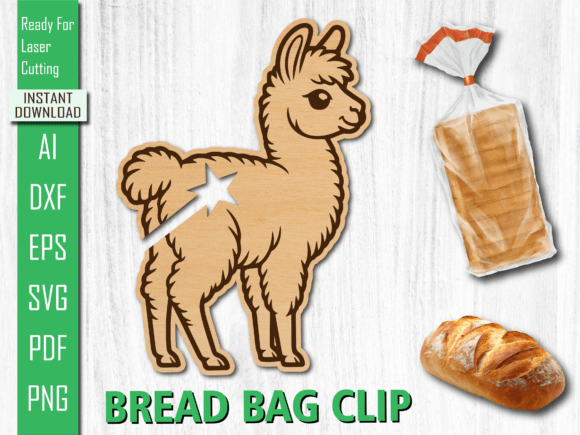
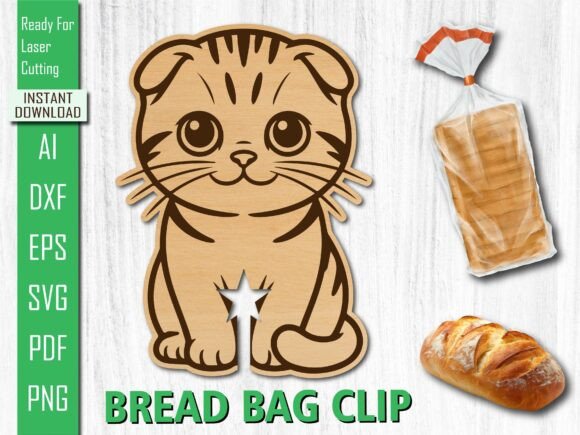
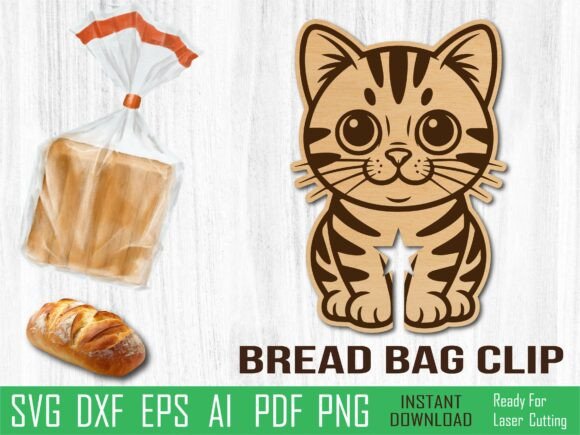
The visual personality of the American Shorthair Cat Bread Clip is distinct. It captures the essence of the breed—sturdy, round-faced, and undeniably cute—while placing it in a context that suggests a love for snacks. For an embroidery project, this kind of character-driven design often works best when the lines are clean and the silhouette is strong. In a digital embroidery file, we look for shapes that can be defined by satin stitch borders without getting lost in excessive detail. The "bread clip" aspect implies a specific function, but in the realm of textile art, it becomes a symbol of cozy domesticity.
When I visualize this design on a finished product, the mood shifts from purely functional to deeply personal. It feels like something you would find in a boutique kitchen shop or as a heartfelt gift for a fellow cat lover. The layout seems balanced enough to work as a central motif on a tote bag or a chest piece on a sweatshirt. However, because the original intent is for laser cutting, the lines might be single-width vectors. This means that if you intend to use this as a machine embroidery design, you will likely need to digitize it yourself or ensure the provided file includes proper fill stitch instructions to prevent gaps in the fabric.
Real-World Application: From Tote Bags to Holiday Gifts
Let's talk about a real-life scenario. Imagine you are an Etsy seller preparing for the holiday season. You have a line of organic cotton kitchen towels and aprons ready for decoration. The American Shorthair Cat Bread Clip, Laser design could be the perfect centerpiece for a "Baker's Best Friend" collection. Picture the design embroidered in warm browns and creams on a rustic linen towel. The stitch density here would need to be carefully managed; too dense, and the towel becomes stiff; too loose, and the cat loses its definition.
This design also screams personalized gift. Think of a custom embroidered patch for a cat owner's backpack or a hoodie embroidery project for a local bakery's staff. The humor inherent in the design creates an immediate connection with the customer. When people see a funny cat holding bread, they smile. That emotional response is crucial for commercial embroidery projects where brand engagement matters. Whether it is a baby embroidery project for a nursery with a playful theme or a holiday embroidery accent on a festive pillow cover, the versatility of a character like this allows it to cross multiple categories within Other Home Decor.
For the small business owner, using a design like this can elevate a basic handmade product into a collectible item. If you are selling digital products, offering a version of this design that has been professionally digitized for embroidery could be a significant revenue stream. Many crafters struggle to convert vector files meant for laser cutting into high-quality embroidery patterns. By providing a tested embroidery file with optimized pull compensation and underlay, you solve a major pain point for your customers.
Navigating Challenges: Fabric and Hoop Considerations
However, not every application is straightforward. As a reviewer, I must advise caution when applying this design to certain materials. The American Shorthair Cat Bread Clip, Laser features curves and potentially small details that represent the cat's ears or paws. On textured fabrics like heavy denim or thick wool, these fine details might get lost unless the hoop size is large enough to accommodate a higher stitch count. Similarly, on stretchy fabric or thin jersey used for t-shirts, the design requires a robust stabilizer to prevent puckering. Without proper stabilization, the tension from the running stitch or fill areas could distort the shape of the cat.
Dark fabrics present another challenge. If you plan to embroider this on a navy blue apron or a black tote bag, you will need to adjust your thread colors significantly. A white outline might pop, but the fill needs to be bright enough to show through the dark background. Always test the design on scrap fabric first. Check how the light reflects off the satin stitches and whether the contrast is sufficient for the finished product to look professional.
Furthermore, consider the placement. If you are attempting to put this design on a curved surface like a cap, the geometry of the bread clip and the cat might warp. Designs with long horizontal elements often require re-digitizing for caps to account for the curve. For layered garments, ensure the stitching doesn't penetrate through to the back layer, which could ruin the garment's drape.
Practical Designer Notes for Success
If you decide to incorporate the American Shorthair Cat Bread Clip, Laser into your workflow, here are my essential tips for ensuring quality:
- Test on Scrap Fabric: Never skip the test run. Embroider the design on the exact fabric and stabilizer you plan to use for the final project to check for registration issues.
- Review Stitch Density: Ensure the fill areas aren't so dense that they make the fabric rigid, especially for items like tea towels or baby clothes that need to remain soft.
- Confirm Hoop Size: Verify that your machine's hoop can accommodate the full width and height of the design without needing to re-hoop, which can cause misalignment.
- Inspect Small Details: Zoom in on the digitized file to ensure tiny features like the cat's whiskers or the bread crust texture are stitched correctly and don't break threads.
- Mockup in Black and White: Before committing to expensive thread, create a printable mockup in grayscale to assess the visual weight and balance of the design.
- Check Licensing: Since this is a specific design asset, confirm the licensing terms before selling finished items or reselling the digital embroidery file. Commercial rights are essential for any craft business.
- Compare Backgrounds: Test the design on both light and dark fabric backgrounds to determine the best thread color combinations for maximum visibility.
Final Thoughts on Value and Presentation
In the competitive market of handmade goods, the difference between a good product and a great one often lies in the details. The American Shorthair Cat Bread Clip, Laser offers a unique opportunity to inject personality into your small shop product line. Its appeal goes beyond simple decoration; it tells a story and evokes a feeling of warmth and humor. When executed correctly with attention to stitch density and fabric choice, it enhances the perceived value of the item, building trust with your customers.
Whether you are creating a custom apparel piece for a client or stocking shelves with holiday gifts, this design has the potential to become a signature item. Just remember that while the concept is delightful, the execution relies on your technical skill as an embroiderer. By treating the design with care, testing thoroughly, and respecting the limitations of different fabrics, you can turn a simple digital file into a cherished finished product that stands out in any marketplace.