Dad Tax Burger Funny Father Design Review
As a designer who has spent years translating digital files into tangible thread, I approach every new asset with a critical eye. The market is flooded with generic T-Shirt Designs, but finding a piece that balances humor, visual clarity, and technical feasibility is rare. Today, I am evaluating the Dad Tax Burger Funny Father Design. This isn't just about whether it looks good on a screen; it is about how this specific Graphics file will behave when my machine starts humming, how it will hold up after a wash cycle, and whether it will actually sell as a finished product.
The First Impression: Humor Meets Stacking Layers
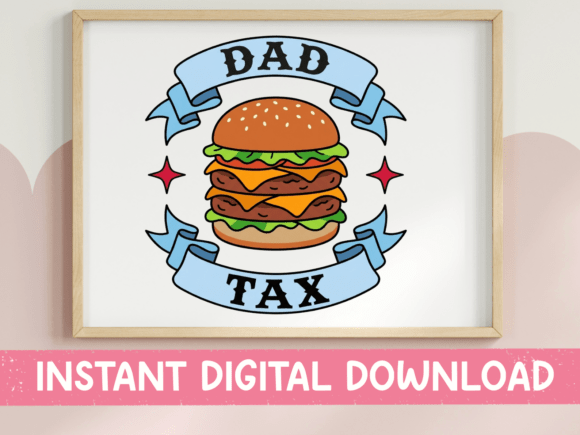
When I first loaded the preview of the Dad Tax Burger Funny Father Design, the concept immediately resonated. Every dad who has ever casually eaten half the table's food will recognize this one. Visually, the design features a tall, stacked cheeseburger with a glossy bun, layers of beef, cheese, tomato, and lettuce sitting in the center. The layout is vertical, which is a crucial consideration for embroidery. Unlike wide, sprawling designs that require large hoop sizes, this stacked format fits naturally into standard 5x7 or 6x10 hoops, making it incredibly versatile for various applications.
The mood is lighthearted and relatable, perfect for Father's Day or casual family gatherings. However, from a technical standpoint, the "glossy" look of the bun presents an interesting challenge. In digital machine embroidery design, achieving a glossy effect relies heavily on satin stitch density and thread color selection. If the stitch density is too low, the bun will look flat and matte. If it is too high, you risk puckering, especially on thinner fabrics. As a reviewer, I appreciate that the artist has clearly defined the layers, but the execution will depend entirely on how the digitizer handled the transitions between the beef, cheese, and lettuce.
Real-World Application: From T-Shirts to Kitchen Gear
To truly understand the value of the Dad Tax Burger Funny Father Design, I need to visualize it in a real project scenario. Imagine I am preparing a custom embroidered tote bag for a local craft fair. A tote bag offers a sturdy canvas, usually made of heavy cotton canvas, which is ideal for this type of design. The vertical stack of the burger would look fantastic centered on the front pocket or the main body of the bag. The fill stitch used for the burger patty would stand out against the natural fabric, creating a bold statement piece.
Alternatively, consider using this as a sweatshirt embroidery project. Sweatshirts are thick and textured, often requiring more stabilizer than a simple t-shirt. The layered nature of the burger—beef, cheese, tomato, lettuce—would benefit from the thickness of a sweatshirt, adding depth to the final look. For a small shop owner looking to create holiday gifts, this design could be transformed into an embroidered patch. By backing the design with felt or twill and stitching it down, you create a durable accessory that can be sewn onto hats, denim jackets, or even backpacks. The humor translates well to patches because they are often displayed prominently.
For the Etsy seller focusing on personalized gifts, this design opens up opportunities for kitchen-themed items. Picture the Dad Tax Burger Funny Father Design stitched onto a kitchen towel or an apron. Since the design involves food imagery, placing it on kitchen linens feels contextually appropriate. The thread colors would need to be vibrant to mimic the freshness of the ingredients. A bright red for the tomato and a vivid green for the lettuce would pop against a white or cream-colored towel, making it a delightful addition to any home cook's collection.
Technical Considerations and Fabric Challenges
While the design is promising, there are specific areas where caution is required. The description mentions a "tall, stacked" burger, which implies significant height. If you attempt to use this embroidery file on a curved surface like a baseball cap, the top of the bun might distort due to the curvature of the crown. Cap embroidery requires specialized digitizing to account for the curve, so unless the file is specifically optimized for caps, I would advise against using it there without extensive testing.
Fabric texture is another major factor. On a smooth, tightly woven cotton shirt, the details of the lettuce and cheese will stitch cleanly. However, on a textured fabric like fleece or a heathered gray t-shirt, the intricate details might get lost. The contrast between the dark beef patty and the lighter bun is essential. If you choose a dark background fabric, ensure the running stitch outlines are thick enough to define the edges. Without proper definition, the layers could blend together, ruining the visual impact of the "stacked" effect.
Furthermore, thin or stretchy fabrics present a risk of puckering around the dense areas of the burger patty. The stitch density in the center of the design is likely high to create that solid meat texture. On a lightweight jersey knit, this weight could cause the fabric to warp. Always use a cut-away stabilizer for stretchy materials to support the stitches and maintain the shape of the design.
Designer Notes for Commercial Success
Before committing to a production run or listing this as a digital product, there are several practical steps I recommend. First, always test the design on scrap fabric that matches your intended final material. Stitch out the Dad Tax Burger Funny Father Design at full size to check for any underlay issues or thread breaks. Pay close attention to the corners of the lettuce and the edges of the bun; these are common trouble spots where threads can bunch up.
Color management is key. The success of this design relies on the vibrancy of the ingredients. Test different thread colors to see which combination offers the best contrast against your chosen fabric. Sometimes, a slightly darker shade of green for the lettuce works better than a neon version, depending on the lighting and the fabric tone. Additionally, review the hoop size requirements. Ensure your machine's workspace can accommodate the full height of the burger without needing to re-hoop, which can lead to misalignment.
For those selling finished goods, consider the longevity of the product. This design is meant to be seen and enjoyed, so it must withstand frequent washing. Check the back of the stitched sample to ensure no loose threads are visible and that the fill stitch is secure. If you plan to offer this as a commercial embroidery service, verify the licensing terms of the embroidery file. Many designers restrict the sale of finished products containing their art, so confirm that you have the right to sell items featuring the Dad Tax Burger Funny Father Design.
Final Verdict on Visual Appeal and Value
In conclusion, the Dad Tax Burger Funny Father Design is a strong contender for anyone looking to add a touch of humor to their portfolio. Its vertical layout makes it adaptable for various handmade products, from tote bags to sweatshirts. The clear layering of the burger components provides excellent visual interest, provided the digitizing is sound and the fabric choice is appropriate. It has the potential to become a bestseller for craft businesses targeting parents and foodies alike.
However, its success depends on careful execution. Do not rush the process. Test your stabilizers, check your thread tensions, and ensure the design sits well on your chosen garment. When done correctly, this design adds significant value to a finished product, turning a simple piece of clothing into a conversation starter. For the serious maker, it represents a fun, profitable opportunity to showcase skill while delivering a gift that truly captures the spirit of fatherhood.