Funny Door Corner Laser Cut Design Review
As a designer who has spent years navigating the intersection of digital assets and physical craftsmanship, I approach every new file with a critical eye. When I first encountered the Funny Door Corner Laser Cut, my immediate reaction was one of curiosity mixed with caution. This is not a standard machine embroidery design; it is a vector-based asset intended for Laser Cutting, falling squarely into the Other Home Decor category. However, in the modern maker economy, the line between cutting and stitching is often blurred. I wanted to evaluate whether this specific shape could be adapted for an embroidery project or if its value lies strictly in creating rigid, laser-cut appliques that are then stitched onto garments.
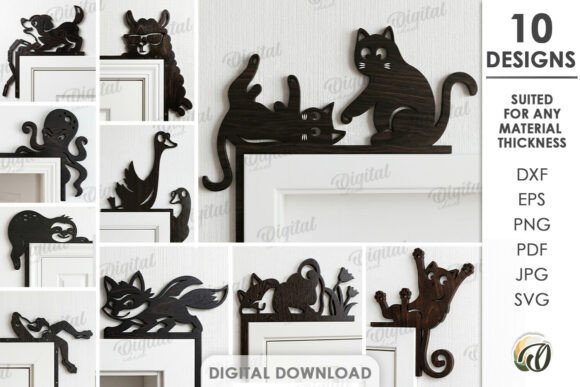
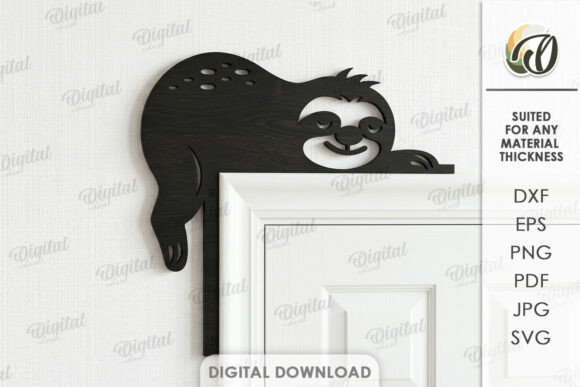
The visual personality of the Funny Door Corner Laser Cut is distinct. It relies on sharp angles and a humorous twist that immediately grabs attention. For a small business owner or an Etsy seller looking to add a unique flair to their catalog, this kind of bold statement piece can be a game-changer. But before rushing to download the zip folder containing SVG, DXF, and EPS files, we need to discuss how this translates from a screen to a finished product. The photos provided are for inspiration only, which means the true test lies in how you interpret the geometry for your specific craft.
Adapting Digital Cuts for Textile Projects
Let’s imagine a real-world scenario: You are preparing a custom embroidered tote bag for a local craft fair. You want something that stands out against the sea of floral patterns and generic quotes. The Funny Door Corner Laser Cut offers a geometric silhouette that could work beautifully as a large-scale applique. Here is where the practical judgment comes in. If you use this design to cut a piece of felt or stiff interfacing and then stitch it onto a canvas tote, you are leveraging the precision of the laser cut while adding the tactile warmth of thread.
For this type of project, the machine embroidery design aspect becomes about the perimeter. You would likely use a satin stitch border to secure the laser-cut piece, ensuring the edges don't fray over time. The humor in the design suggests it fits perfectly on items like kitchen aprons, holiday gift bags, or even personalized sweatshirts for a boutique shop. The key is understanding that the "design" here is the negative space and the hard edge, not the intricate fill stitches found in traditional embroidery files.
Material Considerations and Fabric Texture
When working with a shape derived from Laser Cutting, the fabric texture plays a massive role in the final outcome. If you attempt to apply this concept to thin fabric or stretchy materials like jersey knit, the rigid nature of a laser-cut insert might cause puckering or discomfort. In contrast, sturdy cottons, denim, or heavy canvas provide the ideal foundation. For baby embroidery projects, I would exercise extreme caution. While the theme is funny, the potential for sharp corners on a rigid insert makes it less suitable for items that will be chewed on or handled roughly by infants.
Furthermore, consider the stabilizer. Because you are potentially attaching a pre-cut object rather than just stitching threads, the bond needs to be secure. A tear-away stabilizer might suffice for a simple patch, but for a high-end handmade product meant for frequent washing, a cut-away stabilizer or even a heat-activated adhesive layer would ensure longevity. The goal is to maintain the integrity of the finished product so that the customer feels they received a premium item, not a temporary decoration.
Visual Appeal and Commercial Viability
From a branding perspective, the Funny Door Corner Laser Cut has significant potential for a craft business. Its unique shape breaks the monotony of circular or square patches, offering a fresh aesthetic that can boost buyer engagement. On an Etsy listing, a printable mockup showing this design on a sleek black hoodie or a rustic wooden sign can drive clicks. The visual clarity is high because the design does not rely on tiny lettering or dense stitch areas that often get lost during production.
However, there are limitations. If you plan to use this as a pure embroidery pattern without the laser-cut element, you must ensure your machine can handle the sharp turns without skipping stitches. The corners of the design are precise, and if the stitch density is too low, the definition may suffer. Conversely, if you are using the laser-cut method, the challenge shifts to alignment. The placement on curved surfaces like caps requires careful planning. A flat door corner shape might look awkward on a rounded baseball cap unless the design is significantly scaled down or modified.
Practical Designer Notes for Success
If you decide to incorporate Funny Door Corner Laser Cut into your workflow, follow these professional guidelines to ensure quality:
- Test on Scrap Fabric First: Whether you are cutting the material or stitching the outline, always run a test. Check how the thread interacts with the edge of the cut material.
- Check Thread Color Contrast: Since the shape is the star, the outlining stitch needs to pop. Test both light and dark fabric backgrounds to see how the design reads.
- Confirm Hoop Size: Even though the source file is a vector, the physical application requires space. Ensure your hoop can accommodate the width of the design plus the necessary margin for securing the piece.
- Inspect Small Details: While the overall shape is bold, check if there are any internal elements that might be too fine for your chosen medium.
- Review Licensing: Remember that this is a digital product. No physical goods are sent. Before selling finished items or reselling the digital file, confirm the license terms allow for commercial embroidery projects.
- Use Proper Stabilizer: Do not skip this step. A shaky base ruins even the best design. Use a stabilizer appropriate for the weight of your fabric and the rigidity of the insert.
In conclusion, the Funny Door Corner Laser Cut is a versatile asset that bridges the gap between digital precision and handmade charm. It is not a plug-and-play embroidery file in the traditional sense, but rather a creative prompt for makers willing to think outside the hoop. By combining the crisp lines of laser cutting with the warmth of textile art, you can create custom apparel and home decor items that feel personal and professional. Just remember to respect the material limits and test your process thoroughly. With the right execution, this design can become a signature piece for your small shop product line, delighting customers with its wit and craftsmanship.