Laser Cut Animal Pet Cat Bread Clip Review
As a designer who has spent years navigating the fine line between whimsical concepts and functional finished products, I approach every new asset with a critical eye. The Laser Cut Animal Pet Cat Bread Clip immediately caught my attention not just for its charm, but for the unique challenge it presents when translating a rigid, laser-cut concept into the soft, textured world of textiles. While the product description explicitly states this design is made for laser cutting and CNC machines to seal bread bags, there is a growing trend among crafters to adapt these sharp, geometric silhouettes into machine embroidery designs for kitchen linens and home decor. Today, I am evaluating how this specific aesthetic translates from a digital file meant for wood or acrylic into a stitchable reality for your handmade business.
The Visual Personality of a Playful Kitchen Icon
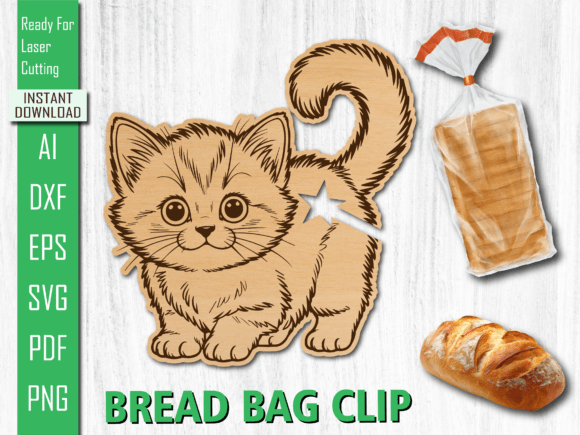
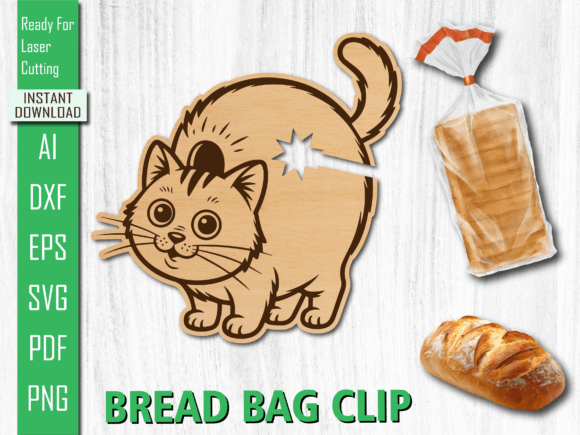
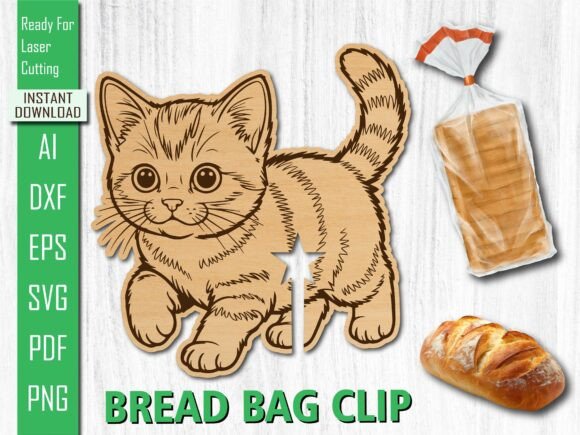
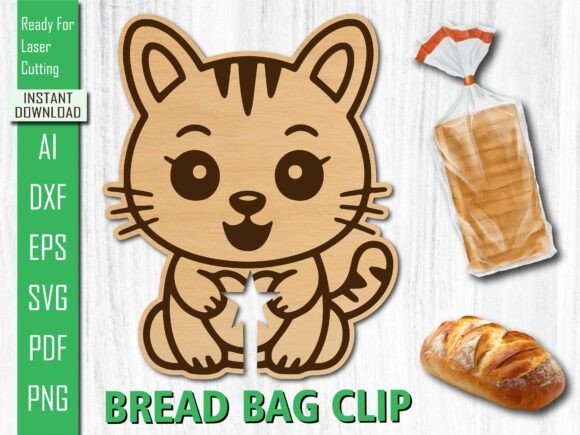
At first glance, the Laser Cut Animal Pet Cat Bread Clip exudes a specific kind of modern humor. It combines the organic, slightly awkward shape of a cat with the utilitarian function of a bread clip. For an embroidery project, this duality is fascinating. The design relies on clean lines and distinct negative space, which are hallmarks of successful machine embroidery design. When visualizing this as an applique design or a dense fill stitch pattern on a kitchen towel, the mood shifts from purely functional to delightfully decorative. It feels like a piece of art that belongs in a boutique kitchen rather than a generic utility room.
However, the transition from a Laser Cutting file to an embroidery file requires careful consideration. The original design likely features sharp angles and thin connecting points that work perfectly for a laser cutter but can be problematic for a sewing machine needle. In the context of Other Art Amp categories, where functionality meets aesthetics, we must ask: does the stitch count support the structural integrity of the cat's tail or ears? If you are planning to use this as a tote bag design or on a heavy-duty apron, the visual weight of the cat needs to hold up against the fabric texture without looking pixelated or broken.
Real-World Application: From Concept to Stitched Product
Let’s imagine a real-life scenario. You are an Etsy seller preparing a holiday collection of personalized kitchen gifts. You decide to feature the Laser Cut Animal Pet Cat Bread Clip motif on a set of high-quality cotton tea towels. Your goal is to create a personalized gift that stands out in a crowded marketplace. As you load the digital embroidery file into your software, you notice the potential for using a combination of satin stitch for the outline of the cat and a tight fill stitch for the body.
In this setting, the design performs exceptionally well if the scale is managed correctly. On a large hoop size, the playful details of the cat become clear, making the finished product feel premium. Customers buying custom apparel or home goods often look for that "handmade" touch, and a well-executed version of this design provides exactly that. It adds a pinch of humor to their kitchen organization, turning a mundane item like a bread bag sealer into a conversation starter. Whether you are creating a baby embroidery project for a nursery-themed kitchen or a bold statement piece for a coffee shop apron, the versatility of the cat theme allows it to bridge gaps between different demographic groups.
For those running a craft business, the ability to adapt this design for various substrates is key. Imagine placing this motif on a sweatshirt embroidery project for a local pet cafe. The contrast between the soft fleece and the defined lines of the cat creates a tactile experience that customers love. However, because the original intent was for hard materials, you must ensure the stitch density is adjusted so the fabric doesn't pucker. A finished product that looks distorted defeats the purpose of the professional presentation you aim to deliver.
Navigating Technical Challenges and Fabric Limitations
While the Laser Cut Animal Pet Cat Bread Clip is visually appealing, it demands respect for the limitations of textile work. There are specific scenarios where this design should be used with caution. If you attempt to downscale this design for a small cap or a tiny embroidered patch, the intricate details of the cat's face may get lost in the thread thickness. Thin fabrics, such as lightweight chiffon or stretchy jersey, can struggle with the density required to render the solid shapes of the design. Without the right stabilizer, the edges might curl, ruining the clean silhouette that makes the laser-cut version so effective.
Furthermore, working with dark fabrics requires a strategic approach to thread colors. The original design likely relies on the natural color of the material (like light wood) to define the negative space. In embroidery, achieving that same clarity on a black apron or navy blue pillow cover requires a bright, contrasting underlay and potentially a white top layer. If the running stitch outlines are too sparse, the design will disappear into the background. Always test the design on scrap fabric first to see how the thread interacts with the fabric texture before committing to a full production run.
Design Notes for Professional Execution
To ensure the Laser Cut Animal Pet Cat Bread Clip elevates your brand rather than detracting from it, follow these practical steps:
- Test on Scrap Fabric: Never skip the test run. Check for puckering, especially around the curves of the cat's body.
- Verify Hoop Size: Ensure your hoop can accommodate the width of the design without distorting the aspect ratio.
- Check Thread Contrast: Compare light and dark fabric backgrounds to guarantee visibility. Use a bright accent color for the eyes or nose to pop.
- Review Stitch Density: Adjust the fill settings to prevent the fabric from becoming stiff, which is crucial for items like kitchen towels that need to remain absorbent.
- Inspect Small Details: Zoom in on the file to ensure no tiny letters or fine lines are present that could cause thread breaks.
- Confirm Licensing: Before selling any commercial embroidery items or digital files, verify the license terms. Just because a design is available for Laser Cutting does not automatically grant rights for resale on embroidered goods.
- Use Proper Stabilizer: For textured fabrics or layered garments, a cut-away stabilizer is often necessary to maintain the design's shape over time.
Final Thoughts on Value and Market Fit
The Laser Cut Animal Pet Cat Bread Clip offers a unique opportunity for creative entrepreneurs to blend humor with utility. When executed correctly, it transforms a simple kitchen tool concept into a high-value small shop product that resonates with animal lovers and design enthusiasts alike. It enhances buyer engagement by offering something unexpected—a cat that isn't just sitting on a shelf but is actively helping organize the pantry.
However, success lies in the details. By respecting the technical requirements of machine embroidery and adapting the design intelligently for soft goods, you can create a finished product that maintains the integrity of the original vision while adding the warmth of handcrafted quality. Whether you are creating a holiday gift, a wedding favor, or a staple for your online store, this design has the potential to be a standout asset in your portfolio, provided you take the time to perfect the stitch execution.