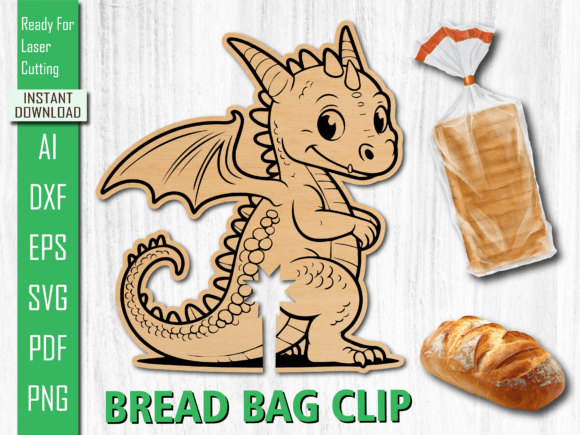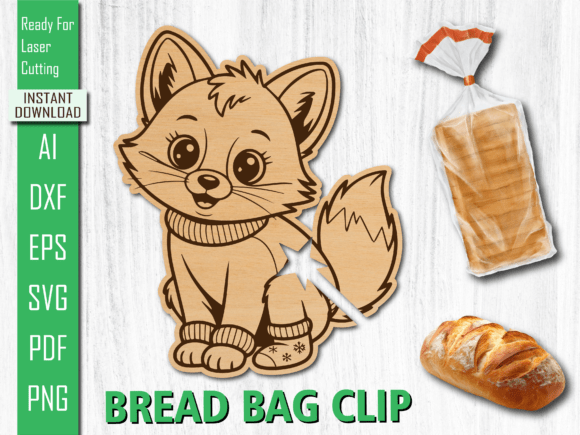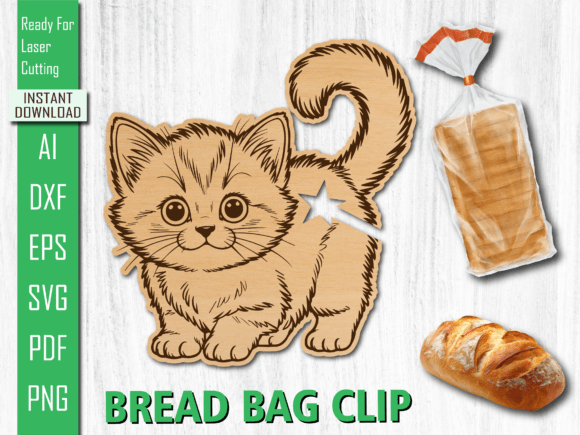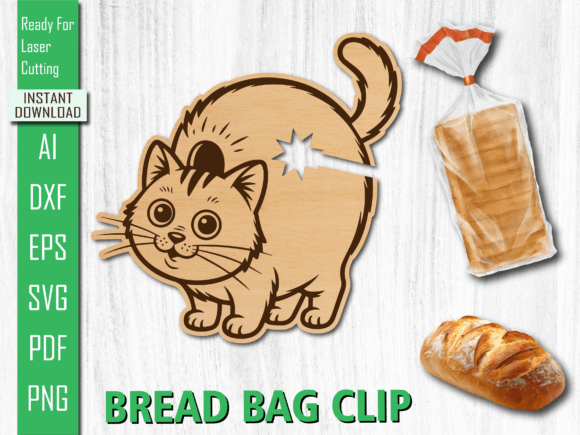
Laser Cut Bakery Pancake Bread Bag Clip Review
As a designer who spends more time staring at stitch simulations than actual fabric, I have learned that the most charming digital assets are not always the easiest to translate into physical products. When I first encountered the Laser Cut Bakery Pancake Bread Bag Clip, my initial reaction was pure delight. It captures that specific, cozy kitchen aesthetic that sells incredibly well on platforms like Etsy and in boutique craft shops. However, before rushing this design into a production run or listing it as a digital embroidery file, I needed to critically evaluate how its playful nature translates from a laser-cut vector to a tangible machine embroidery design.
The First Impression: Playful Utility Meets Design Constraints
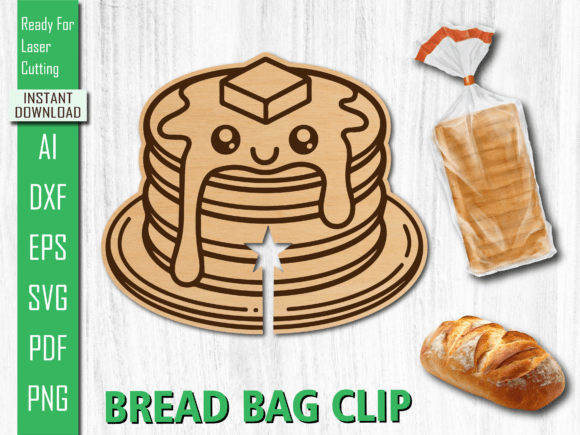
The concept is undeniably strong. A bread clip shaped like a pancake stack adds a pinch of humor to kitchen organization, which is exactly what modern consumers crave for their handmade home goods. The visual personality is whimsical, rounded, and inviting. In the realm of Laser Cutting, this design likely shines because the material holds crisp edges. But when we shift our perspective to embroidery, the rules change. The smooth curves of the pancakes and the potential details on the syrup or butter elements require careful consideration regarding stitch density and thread flow.
I immediately thought about where this would fit best in a real-world scenario. Imagine preparing a custom embroidered tote bag for a local bakery's grand opening. The goal is to create a promotional item that feels personal yet professional. If I were to use the Laser Cut Bakery Pancake Bread Bag Clip motif on a heavy canvas tote, the rounded shapes could work beautifully with a dense fill stitch. However, if the original design includes tiny text or intricate waffle patterns, those details might get lost or turn into muddy blobs on fabric. This is the critical juncture where a designer must decide whether to simplify the asset or risk a subpar finished product.
Testing the Waters: Real-Life Embroidery Scenarios
Let's walk through a hypothetical project. You are an Etsy seller creating a line of personalized kitchen towels. You want to feature this pancake design near the hem. On a linen tea towel, the texture of the fabric can sometimes fight against fine details. If the embroidery file relies heavily on thin lines to define the pancake layers, the natural weave of the linen might cause the threads to sink in, reducing visibility. Conversely, if you opt for a bold satin stitch outline, the design pops, giving the towel a high-end, boutique feel.
Consider also the application on custom apparel, specifically a chef's apron or a family sweatshirt. On a sweatshirt, the stretch of the fleece requires a robust stabilizer plan. The weight of the thread in a large pancake design could cause puckering if the hoop size isn't managed correctly. I always advise testing the design on scrap fabric first. Does the syrup drip look like a delicious glaze, or does it look like a stain? These nuances determine customer trust. A well-executed sweatshirt embroidery project elevates your brand, while a poorly stitched one can damage your reputation as a maker.
For holiday embroidery gifts, such as stuffing these designs into gift bags or attaching them to pillow covers, the color palette becomes paramount. The thread colors need to contrast well against the background fabric. A golden-brown pancake on a dark navy apron will look stunning, but the same design on a light beige towel might lack definition unless you add a backing layer or adjust the fill pattern. As a craft business owner, understanding these interactions is the difference between a generic item and a standout small shop product.
Navigating Challenges: Where Caution Is Required
While the Laser Cut Bakery Pancake Bread Bag Clip is versatile, there are scenarios where it demands extra attention. Small hoop sizes are a common pitfall. If you attempt to shrink this design to fit a 4x4 inch hoop for a baby hat or a cap, the delicate features of the pancakes may vanish. Baby embroidery projects often require softer, less dense stitching to maintain comfort against sensitive skin. A design that looks great digitally might become scratchy or bulky if the stitch density is too high for a small area.
Textured fabrics also present a challenge. On ribbed knits or thick terry cloth, the needle has to work harder to penetrate, which can lead to skipped stitches or uneven tension. If you are working with layered garments or curved surfaces like caps, the design must be adaptable. The flat geometry of a bread clip might distort when wrapped around a cap brim. Always inspect small details and test the design in black and white mockups before committing to expensive materials. This step ensures that the design assets hold up under scrutiny.
Maximizing Value and Professionalism
Ultimately, the success of using the Laser Cut Bakery Pancake Bread Bag Clip in your portfolio depends on how well you adapt it to the medium. For commercial embroidery, consistency is key. If you are selling personalized gifts, customers expect precision. A clean, well-defined embroidered patch featuring this design can command a higher price point than a messy, ill-fitted version. The visual appeal directly impacts buyer engagement. When a customer sees a sharp, vibrant design on a tote bag design or a pillow cover, they perceive value and quality.
It is also vital to confirm licensing before selling finished items. Since this design originates from the Other Art Amp category and is marketed for Laser Cutting, ensure you have the rights to use it for textile applications. Many digital creators sell files for cutting machines but restrict embroidery usage. Clarifying this protects your business from legal issues and maintains professional integrity.
Practical Designer Notes for Success
- Test First: Always run a test on scrap fabric that matches your final project's texture and weight.
- Check Contrast: Ensure the thread colors stand out against the fabric background; adjust hues if necessary.
- Review Density: Look for areas where the fill stitch might be too tight, causing fabric distortion.
- Confirm Hoop Size: Verify that the design fits comfortably within your machine's hoop size without excessive trimming.
- Inspect Details: Zoom in on the simulation to check if tiny elements like syrup drips will stitch cleanly.
- Use Stabilizer: Select the appropriate stabilizer for the fabric type to prevent shifting and puckering.
- Mockup Comparison: Compare the design on both light and dark fabric backgrounds to see how it adapts.
- Licensing Check: Confirm that the digital embroidery file license allows for commercial sales of finished goods.
In conclusion, the Laser Cut Bakery Pancake Bread Bag Clip offers a delightful opportunity for designers to inject humor and charm into their collections. Whether you are creating handmade products for a holiday market or building a line of custom apparel, the key lies in thoughtful adaptation. By respecting the limitations of the embroidery process and prioritizing quality control, you can transform this playful concept into a profitable and beloved addition to your catalog. Let the design serve the project, not the other way around, and your customers will appreciate the care put into every stitch.