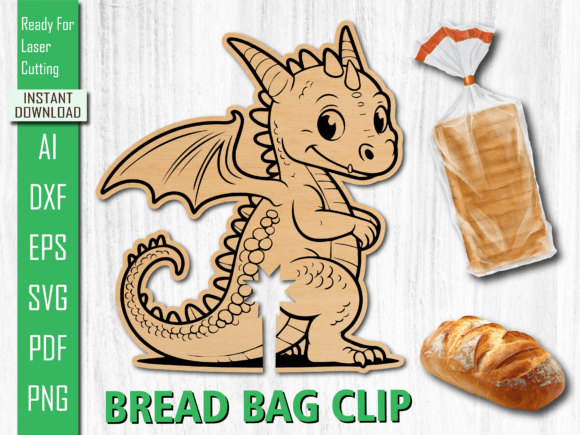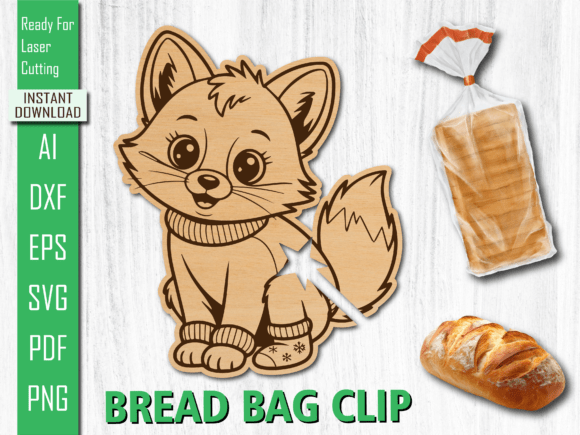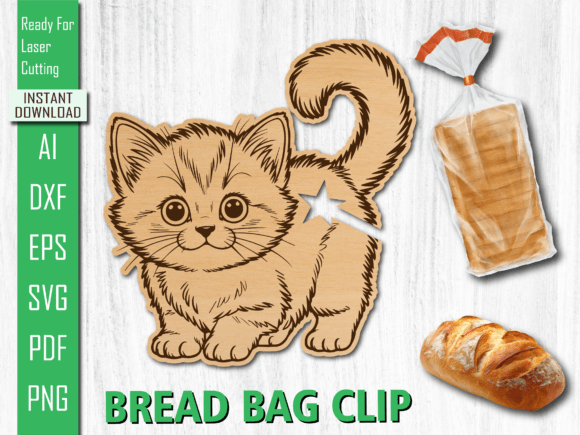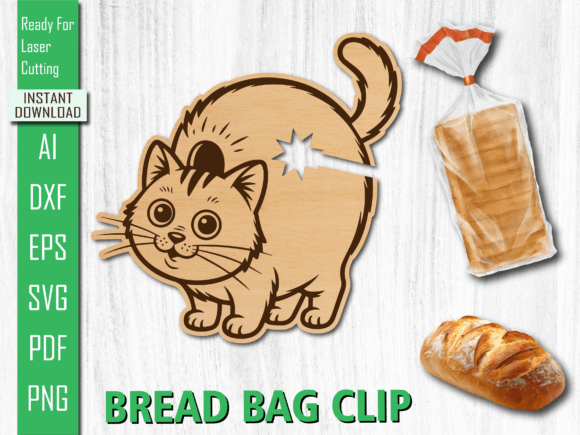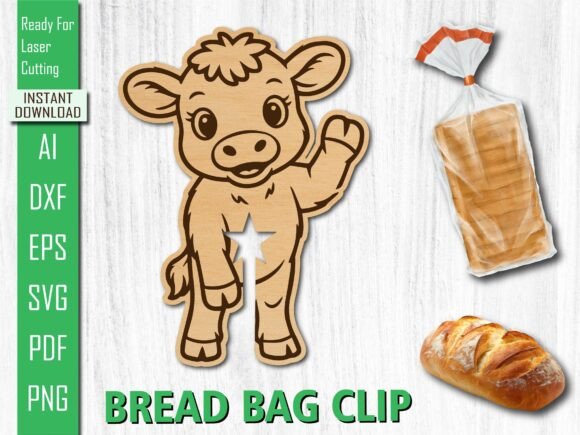
Laser Cut Wildlife Bison Bread Bag Clip Review
As a designer who has spent years navigating the intersection of digital art and physical craft, I often find myself evaluating assets not just for their aesthetic appeal, but for their potential to translate into tangible, high-quality products. When I first encountered the Laser Cut Wildlife Bison Bread Bag Clip, my initial reaction was a mix of amusement and professional curiosity. This design is explicitly categorized under Other Art Amp and is built for Laser Cutting technology, yet its visual language speaks directly to the maker community that thrives on combining utility with personality. While this specific file is intended for CNC machines and laser cutters rather than an embroidery machine, the principles of design application remain strikingly similar for anyone creating handmade goods or custom apparel.
First Impressions: A Playful Twist on Kitchen Utility
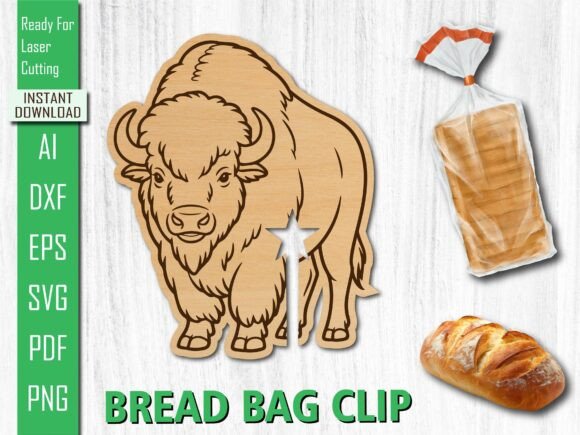
The mood created by the Laser Cut Wildlife Bison Bread Bag Clip is immediately approachable and whimsical. The silhouette of the bison is bold, capturing the rugged essence of wildlife while serving a surprisingly domestic purpose. In the world of craft business and small shop products, items that bridge the gap between humor and function tend to perform exceptionally well. This design does exactly that. It transforms a mundane kitchen organization task into a conversation starter. For an Etsy seller or a boutique owner looking to curate a collection of unique home goods, this asset offers a distinct visual personality that stands out against generic plastic clips.
However, as a reviewer thinking about how this concept translates across different mediums, I have to consider the layout and detail level. The design relies on clean lines and recognizable shapes. If you were to adapt this concept into a machine embroidery design or an applique design for a tote bag or apron, the simplicity of the bison shape works in your favor. Complex details often get lost in translation when moving from a vector file to a physical object, especially on textured fabrics. Here, the strong outline ensures that even if the material changes, the identity of the bison remains clear.
Real-World Application: From Kitchen Counter to Custom Apparel
Let’s imagine a real-life scenario where I am preparing a line of personalized gifts for a holiday market. I want to create a set of embroidered kitchen towels featuring local wildlife themes. While the original product is a laser-cut clip, the graphic itself is so strong that it begs to be adapted into a tote bag design or a patch for a sweatshirt embroidery project. Picture a heavy cotton apron with a large, centered bison motif stitched in earthy tones. The playful nature of the design would make it a perfect holiday embroidery gift for someone who loves camping or rustic decor.
For those running a craft business, understanding how a design performs in various contexts is crucial. If you are considering adapting the bison motif for custom apparel, think about the placement. On a cap or hat, the curved surface might distort the straight lines of the bison's horns or tail if the stitch density is too high. Conversely, on a flat surface like a pillow cover or a tea towel, the design can maintain its integrity. The key is to ensure that the visual weight of the bison balances the negative space of the fabric. A finished product that looks cluttered or unbalanced will fail to engage the buyer, regardless of how funny the concept is.
Adapting the Concept for Embroidery Projects
Although this specific file is for laser cutting, the design logic applies heavily to digital embroidery files. If you were to digitize this image for stitching, you would need to focus on the interplay between fill stitch and satin stitch. The body of the bison would likely require a dense fill to look substantial, while the outline should use a satin stitch to define the edges sharply. However, caution is needed. Stitch density must be managed carefully to prevent puckering, especially on lighter fabrics like linen or thin cotton used for kitchen towels.
Consider the hoop size required to capture the entire design without distorting the proportions. A design that feels compact on a screen might stretch awkwardly if forced into a smaller hoop. Always test the design on scrap fabric first. Check how the thread colors interact with the background fabric. A dark brown thread on a black sweatshirt might disappear, whereas the same thread on a cream-colored canvas pops beautifully. These decisions directly impact the product value and customer trust in your brand.
Navigating Challenges: Where Caution is Required
Even the most charming designs have limitations. When working with a motif like the Laser Cut Wildlife Bison Bread Bag Clip, whether as a physical cut piece or an adapted embroidery pattern, certain materials demand extra attention. Textured fabrics, such as fleece or heavy denim, can obscure fine details. If you attempt to stitch tiny features of the bison onto a fuzzy blanket, the result may look muddy rather than crisp. Similarly, stretchy fabrics like jersey knit require a robust stabilizer to keep the design from warping during the stitching process or after frequent washing.
Another critical area is the use of layered garments or items with complex curves. Placing this design on a baby embroidery item, such as a onesie, requires ensuring that no loose threads or sharp points (if it were a physical clip) pose a safety risk. In embroidery terms, this means avoiding excessive jump stitches or leaving raw edges exposed. For commercial embroidery projects, consistency is key. If you are producing a batch of personalized gifts, every single piece must look identical. Variations in tension or color matching can undermine the professionalism of your small shop product.
Design Integrity and Visual Appeal
The success of any design asset lies in its ability to enhance the handmade product without overwhelming it. The bison clip design succeeds because it is iconic. When translated to other media, this iconography builds recognition. Customers associate the rugged bison with durability and nature, which adds a layer of perceived quality to your items. Whether it is a printable mockup for your online store or a physical sample at a craft fair, the clarity of the image drives engagement.
However, do not assume that a design works universally. Dark fabrics often require more thread coverage to achieve opacity, which increases stitch count and cost. Light fabrics offer more versatility but show mistakes more easily. Always compare light and dark fabric backgrounds before committing to a production run. Use thread colors that complement the theme; earthy greens, browns, and creams work best for this wildlife motif, while neon colors might clash with the rustic vibe.
Practical Notes for Designers and Makers
If you are planning to incorporate the spirit of the Laser Cut Wildlife Bison Bread Bag Clip into your own embroidery project or sell items inspired by it, follow these practical steps:
- Test on Scrap Fabric: Never skip the test run. Stitch the design on a piece of the actual fabric you intend to use to check for puckering and clarity.
- Review Stitch Density: Ensure the fill is tight enough to hide the fabric but loose enough to allow flexibility, especially for items that will be washed frequently.
- Confirm Hoop Size: Verify that your machine can accommodate the full width and height of the design without needing to re-hoop mid-stitch, which can cause alignment issues.
- Inspect Small Details: Zoom in on the corners and curves. Tiny lettering or intricate horn details may need simplification for embroidery.
- Check Licensing: Before selling finished items or digital adaptations, confirm the licensing terms. Just because a design is available for laser cutting doesn't mean you can automatically sell embroidered versions of it.
- Use Proper Stabilizer: Invest in high-quality tear-away or cut-away stabilizers to support the design, particularly on stretchy or delicate fabrics.
Ultimately, the Laser Cut Wildlife Bison Bread Bag Clip serves as a reminder that great design is versatile. While its primary form is a functional kitchen tool made via Laser Cutting, its visual strength makes it a candidate for adaptation across various craft mediums. By applying careful judgment regarding fabric choice, stitch technique, and production quality, you can transform this playful concept into a profitable and beloved finished product that resonates with customers looking for humor and heart in their daily lives.