Whimsical Valentine Couple Clipart Review
As a designer who has spent years navigating the gap between digital files and physical stitched products, I approach every new asset with a critical eye. The market is flooded with Graphics that look perfect on a screen but fall apart when transferred to a hoop. Today, I am evaluating the Whimsical Valentine Couple Clipart not just as an image, but as a potential component in a real-world commercial embroidery project. My goal is to determine if this design holds up under the scrutiny of a professional workflow or if it belongs strictly to the realm of print.
The First Impression: Mood and Visual Weight
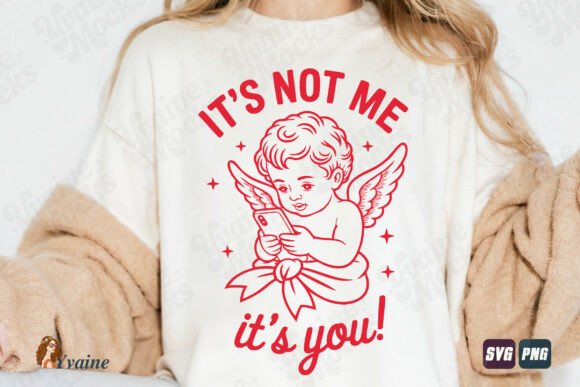
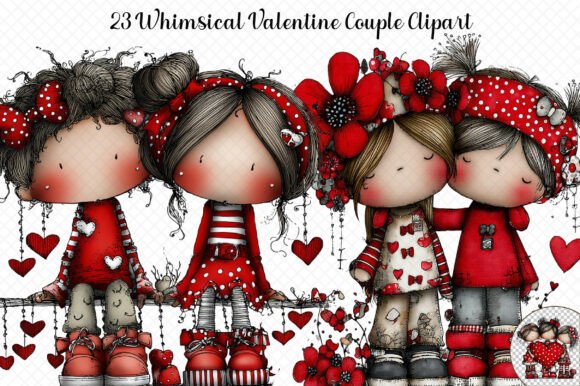
When I first opened the preview for the Whimsical Valentine Couple Clipart, the immediate reaction was one of charm. The illustration style leans heavily into a playful, romantic aesthetic that fits perfectly within the Valentine's Day niche. The lines are soft, the expressions are endearing, and the overall composition suggests movement and affection. For an Etsy seller looking to create a cohesive collection of handmade gifts, this visual personality is exactly what draws a customer in. However, as someone who understands the mechanics of a sewing machine, my mind immediately shifted from "cute" to "constructible."
The design falls squarely into the category of Illustrations intended for flat application. The shapes are distinct, which is good, but the level of detail raises a red flag for traditional machine embroidery. In a high-resolution PNG meant for printing, fine lines and subtle shading work beautifully. In a machine embroidery design, those same details can become muddy if the stitch density isn't managed perfectly. This is a crucial distinction for any craft business owner considering this asset for apparel.
The Reality Check: Sublimation vs. Stitching
Here is the most critical piece of information you need to know before purchasing: these are PNG files designed specifically for sublimation projects or printing. They are NOT SVG files and are not layered vector graphics. This fundamentally changes how we use them. If you are a small shop product creator looking to add this couple to a sweatshirt using a standard embroidery machine, you cannot simply load this file. You would need to trace the image to create a proper embroidery file format (like .PES, .DST, or .JEF) before your machine can read it.
I recently attempted a similar workflow with a client order for custom tote bag designs. We took a raster image, traced the outlines, and converted them into satin and fill stitches. The result was successful, but it required significant time investment. With the Whimsical Valentine Couple Clipart, the process would be identical. You are buying a visual reference, not a ready-to-stitch pattern. If you do not have the skills to digitize images or hire a professional to do it, this product will not work for direct embroidery.
A Real-World Scenario: The Custom Sweatshirt Project
Imagine you are preparing a limited run of sweatshirt embroidery for a boutique Valentine's sale. You want to feature this couple on the chest pocket area. Because the original file is a PNG, you must first convert it. Once digitized, you have to consider the fabric texture. Sweatshirts have a looped pile that can obscure small details. If the couple in the clipart has tiny accessories or intricate facial features, those might get lost in the fabric weave unless you use a heavy stabilizer and increase the stitch count significantly.
In my experience, simpler silhouettes work best on textured fabrics like fleece or French terry. The Whimsical Valentine Couple Clipart appears to have some delicate elements. If you attempt to stitch these on a dark-colored sweatshirt without careful planning, you risk thread visibility issues where the background shows through the fill stitch. A test run on scrap fabric is non-negotiable here. You need to see how the fill stitch interacts with the specific fiber content of your garment.
Navigating Design Limitations and Fabric Choices
Even after digitizing the image, there are specific scenarios where this design requires caution. Small hoop sizes are a major constraint. If you try to fit the entire couple into a 4x4 inch hoop, the resulting stitch density might be too high, causing puckering or thread breakage. Conversely, if you scale it down for a cap or a baby onesie, the details may disappear entirely. Baby embroidery often demands softer, larger shapes to ensure safety and durability, as infants are sensitive to rough textures.
Another consideration is the type of fabric. Thin materials like silk or lightweight cotton require a different approach than heavy canvas. The weight of the threads needed to render the couple clearly could overwhelm a thin shirt, leading to distortion. Similarly, stretchy fabrics like jersey knit need a flexible stabilizer to prevent the design from cracking when the garment is worn. If you are making holiday embroidery items that will be washed frequently, such as kitchen towels or aprons, you must ensure the digitization includes enough locking stitches to secure the edges against agitation.
Strategic Use for Commercial Success
Despite the conversion hurdle, the Whimsical Valentine Couple Clipart offers immense value for commercial embroidery if used correctly. Its primary strength lies in its versatility for sublimation. If your business model involves heat press transfers on polyester blends, this file is ready to go. You can print it directly onto transfer paper and apply it to mugs, phone cases, or performance tees. This bypasses the need for digitization entirely and allows for faster production times.
For those who do choose to embroider, the design serves as an excellent template for creating unique embroidered patches. By tracing the outlines and adding a border, you can create a standalone patch that can be sewn onto denim jackets, bags, or hats. This adds a tactile, premium feel to the finished product that customers often associate with higher quality. The whimsical nature of the art also makes it highly giftable, increasing the perceived value of your personalized gift offerings.
Practical Designer Notes for Implementation
If you decide to move forward with this asset, follow these steps to ensure a professional outcome:
- Digitize Carefully: Do not rely on auto-digitizing software alone. Manually adjust the stitch types, ensuring smooth curves for the couple's bodies and appropriate angles for any text or hearts.
- Test on Scrap Fabric: Always run a test on the actual fabric you plan to use. Check for registration errors and thread tension issues.
- Check Thread Colors: The contrast between the thread and the fabric is vital. On light fabrics, pastel threads might wash out; on dark fabrics, you may need underlay stitches to make colors pop.
- Verify Licensing: Before selling any handmade product featuring this design, confirm the license terms. Ensure you are permitted to sell finished goods containing this artwork.
- Use Proper Stabilizer: Whether using cut-away for knits or tear-away for wovens, the right stabilizer prevents shifting and ensures the longevity of the stitch density.
Ultimately, the Whimsical Valentine Couple Clipart is a strong visual asset, but it demands technical skill to translate into embroidery. It is not a plug-and-play solution for stitchers, but for those willing to invest the time in digitization or those focused on sublimation, it offers a charming, marketable theme. As a creative entrepreneur, understanding the difference between a printable graphic and a stitch-ready file is what separates a hobbyist from a professional. Use this design wisely, respect the limitations of the medium, and you can create beautiful, lasting products that your customers will love.